Millie bot

autonomous ai robot

media link

Video presentation

Click the link or watch the video presentation to learn more about the Millennial One computer.

autonomous ai companion

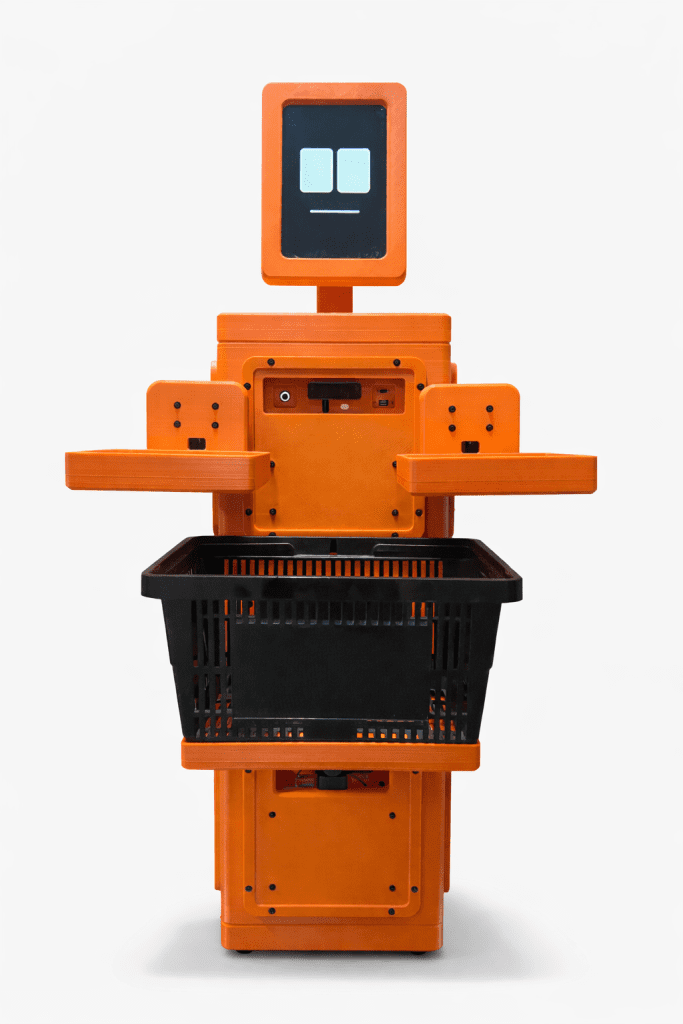
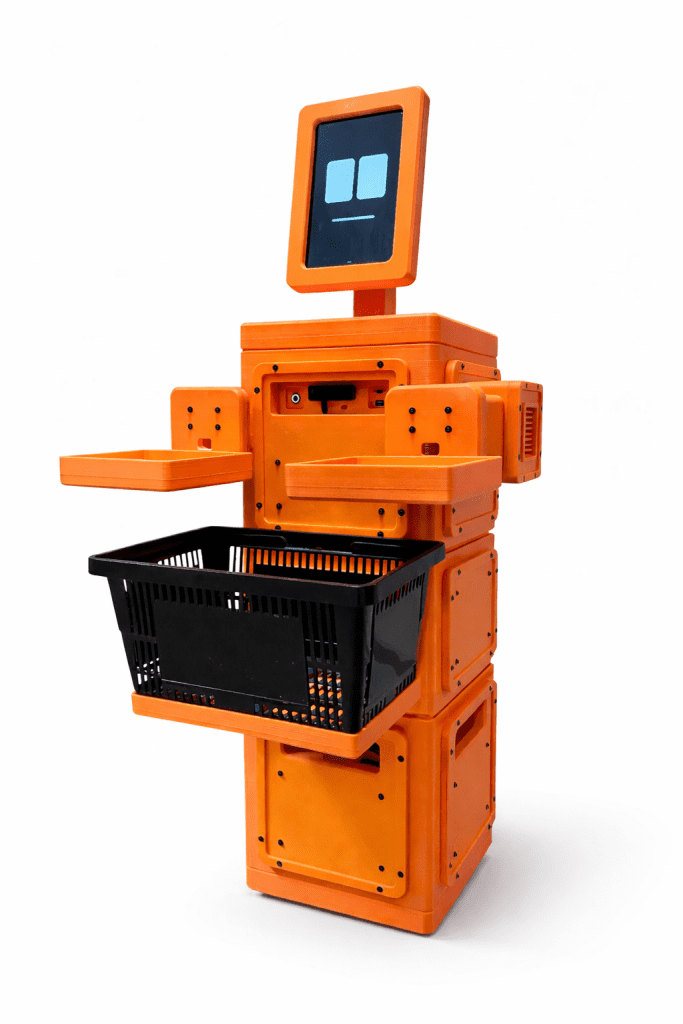
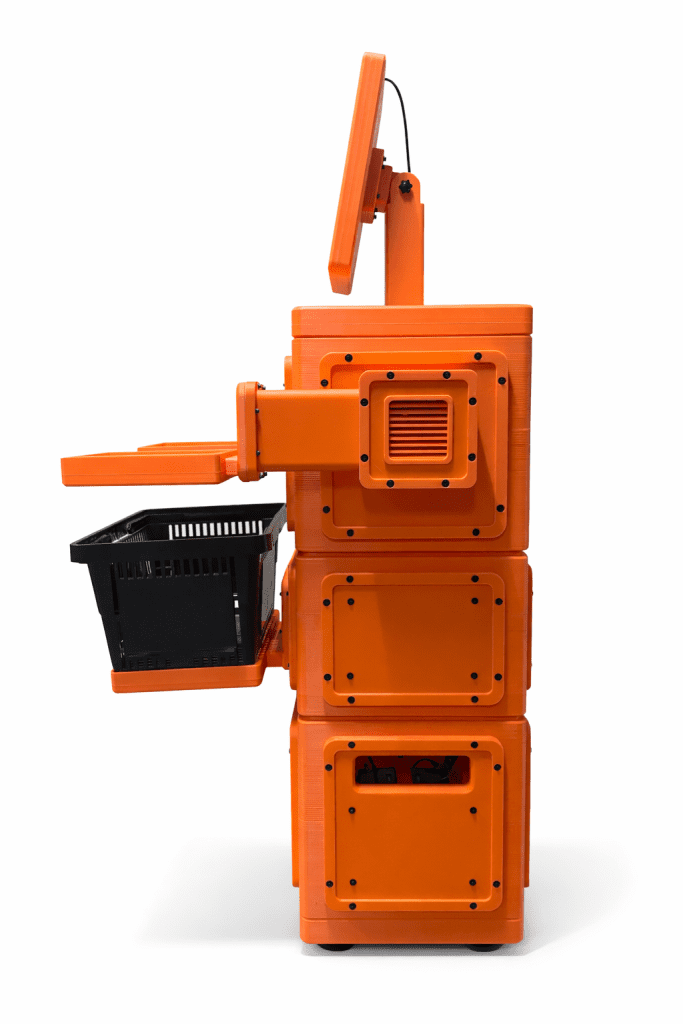
Millie Bot prototype

Millie Bot is an open-source, modular AI robot designed as a hands-on educational platform for learning modern product design, manufacturing, and robotics. Built using accessible tools like CAD software and 3D printing, Millie allows students to move beyond theory and engage directly with how real-world technology is designed, fabricated, assembled, and programmed.

Rather than targeting a single application, Millie is intentionally flexible and modular. Students can explore different aspects of the system, from design and fabrication to software, automation, and AI making it well suited for interdisciplinary learning and classroom use.

Millie Bot serves as the core hardware platform for Millennial Tech, supporting a practical, project-based approach to modern manufacturing and robotics education.

consumer ai robot

home companion bot

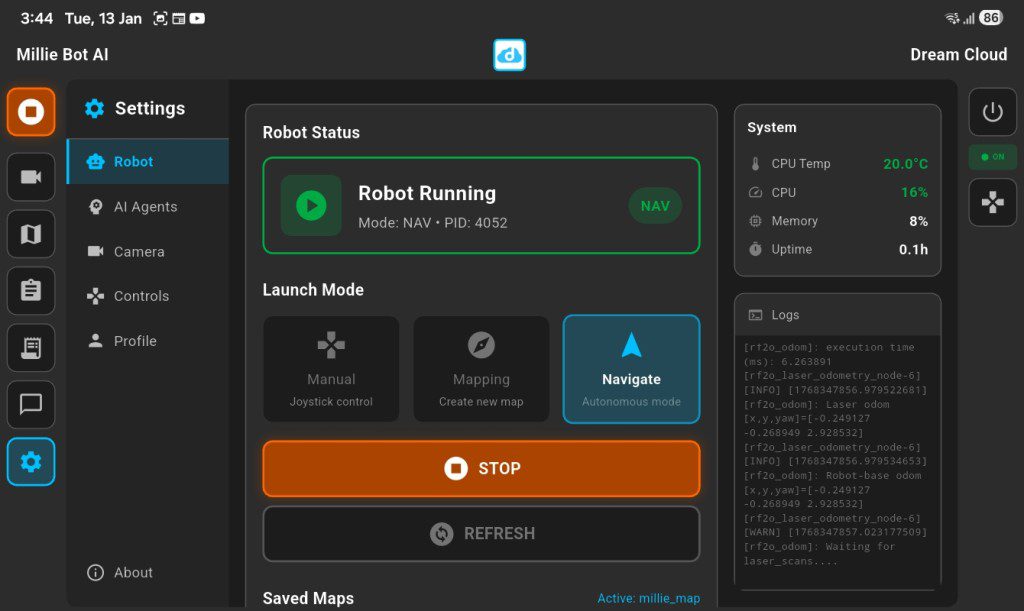
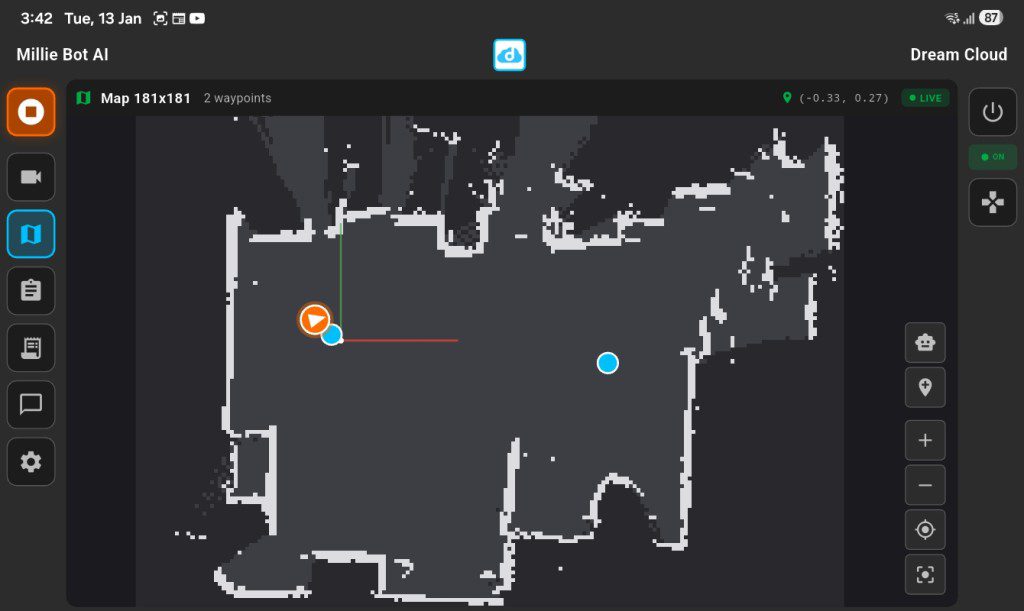
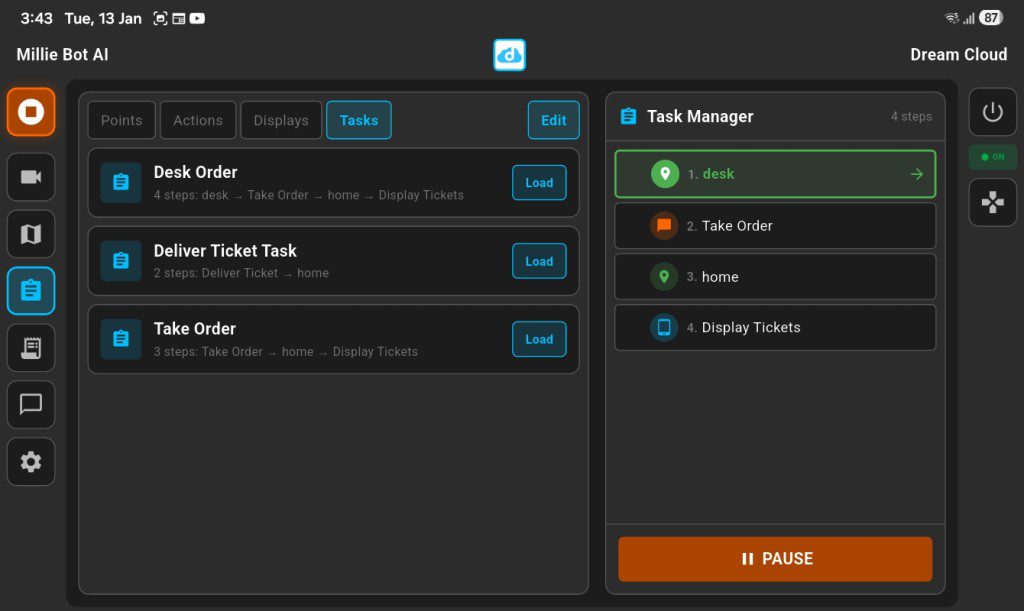
Millie Bot explores how AI-powered robots operate in home environments. Students design and program behaviors that allow the robot to move through living spaces, interact with people, carry small items, respond to voice or tablet-based commands, and adapt to daily routines.

The focus is on understanding how intelligent systems function in shared, real-world settings, where safety, usability, and human interaction matter as much as code. By working with a physical robot, students learn how design decisions, software, and environment come together to shape how a home robot behaves in practice.

These systems can be deployed within the local community, allowing students to observe how robots perform outside the lab. This creates opportunities to learn about user feedback, ongoing adjustments, and long-term maintenance, reinforcing how technical systems evolve over time once they are actively in use.

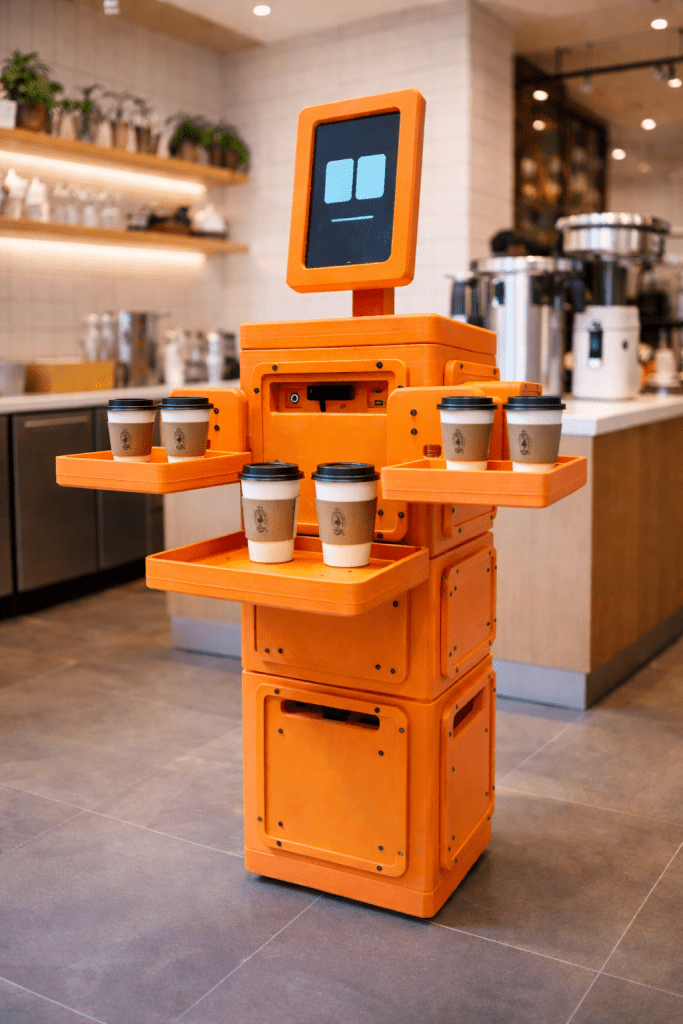
autonomous beverage delivery

cafe barista bot

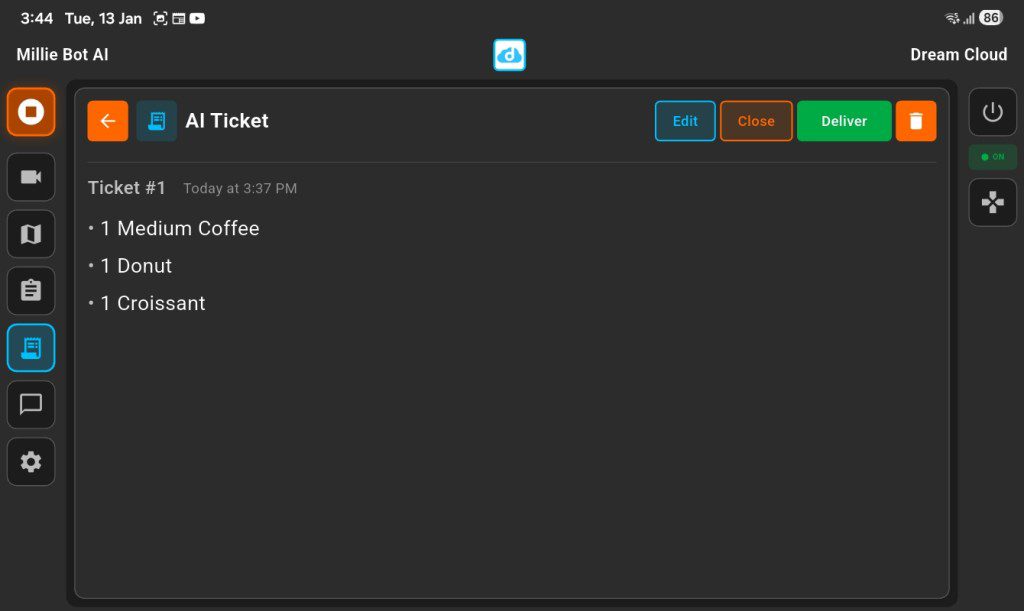
Millie Bot explores how AI-powered robots operate in café and hospitality environments. Students design and program behaviors that allow the robot to navigate busy service spaces, carry drinks, deliver items to tables, and move safely among customers and staff.

The focus is on understanding how autonomous systems function in fast-paced, public settings, where reliability, timing, and human interaction are critical. By working with a physical robot, students learn how navigation, task sequencing, and interaction design come together to support real-world service workflows.

These systems can be deployed in local cafés or hospitality settings, allowing students to observe performance during daily operation. This creates opportunities to learn from real customer feedback, refine behaviors, and manage ongoing maintenance, reinforcing how service robots must adapt over time in live environments.

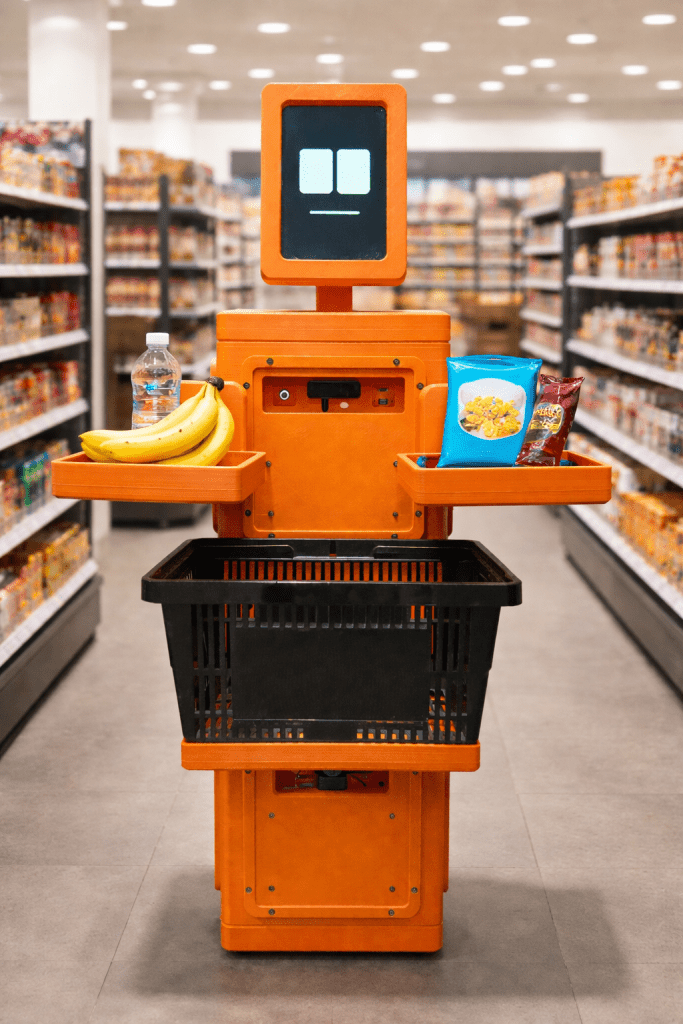
autonomous customer service

retail support bot

Millie Bot explores how AI-powered robots operate in large retail environments. Students design and program behaviors that allow the robot to navigate store aisles, guide customers to products, provide directions, and assist with common in-store requests.

The focus is on understanding how autonomous systems function in busy commercial spaces, where accuracy, clarity, and customer interaction are essential. By working with a physical robot, students learn how navigation, information access, and interaction design combine to support real-world retail workflows.

These systems can be deployed in local retail settings, allowing students to observe how robots perform during everyday store operations. This creates opportunities to learn from shopper behavior, refine assistance features, and manage ongoing updates and maintenance, reinforcing how retail robots evolve in active environments.

autonomous lab test delivery

science research bot

Millie Bot explores how AI-powered robots operate in research and laboratory environments. Students design and program behaviors that allow the robot to transport samples, tools, and materials between workstations while maintaining stability, precision, and cleanliness.

The focus is on understanding how autonomous systems function in controlled, high-sensitivity settings, where accuracy, safety, and reliability are critical. By working with a physical robot, students learn how motion control, task scheduling, and environmental constraints shape robotic behavior in scientific workflows.

These systems can be deployed in research facilities, allowing students to observe how robots perform in active laboratory settings. This creates opportunities to learn from real operational demands, refine handling behaviors, and manage ongoing adjustments and maintenance, reinforcing how research robots evolve alongside the environments they support.

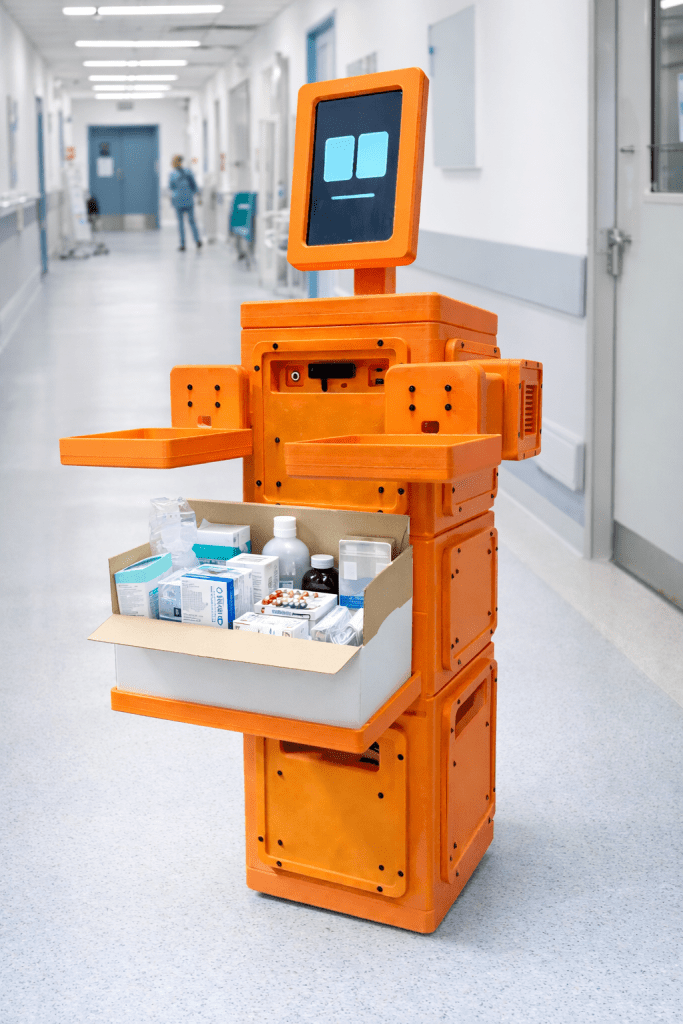
autonomous drug transport

medical delivery bot

Millie Bot explores how AI-powered robots operate in hospitals and clinical environments. Students design and program behaviors that allow the robot to securely transport medications, supplies, and documents using controlled access and traceable delivery methods.

The focus is on understanding how autonomous systems function in regulated, high-responsibility settings, where safety, privacy, and compliance are essential. By working with a physical robot, students learn how security, routing, and authorization systems integrate with robotic motion and task execution.

These systems can be deployed in medical or clinical facilities, allowing students to observe how robots perform in real healthcare environments. This creates opportunities to learn from operational requirements, refine delivery protocols, and manage ongoing updates and maintenance, reinforcing how medical robots must meet strict standards over time.

educational tech platform

school experiment bot

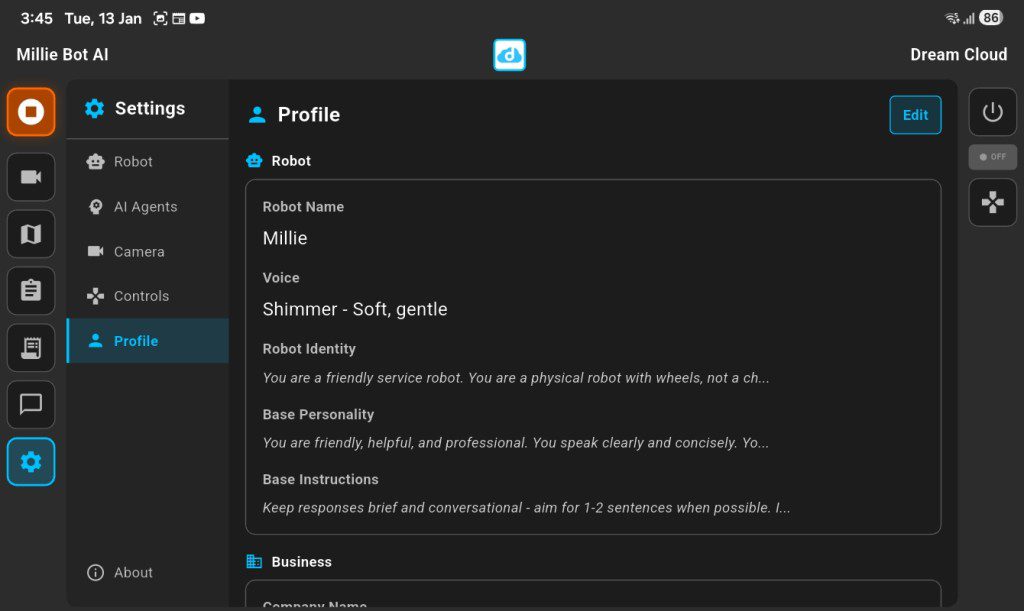
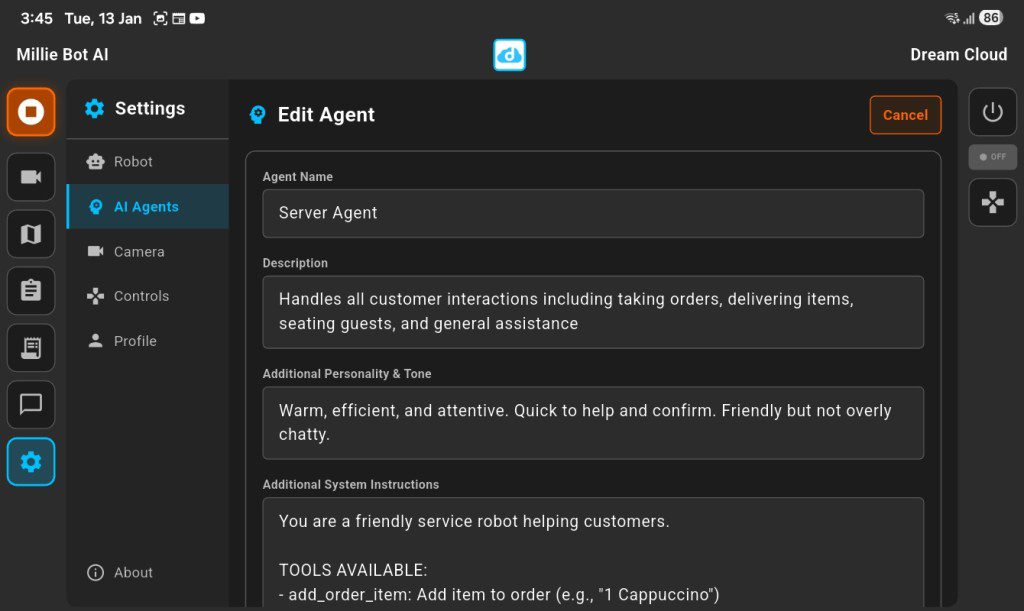
Millie Bot explores how AI-powered robots function as hands-on learning systems in classrooms and maker spaces. Students work directly with a real robotic platform to understand how sensors, motors, software, and mechanical design come together in a complete autonomous system.

The focus is on learning through building and experimentation. By modifying hardware, writing code, and testing behaviors in real time, students gain a practical understanding of robotics, AI, and product design that goes far beyond simulations or theory.

These systems can be used across educational environments, allowing students to prototype new ideas, iterate on designs, and share improvements over time. This reinforces how real-world engineering is an ongoing process of testing, refinement, and collaboration.

autonomous drive-in service

dream diner bot

Millie Bot explores how AI-powered robots operate within purpose-built, experience-driven businesses. In environments like the Dream Diner, students design and program robots that navigate complex layouts, deliver food and drinks, and interact with guests as part of a fully integrated service system.

The focus is on understanding how robotics changes the structure of a business itself. By working with a physical robot in a themed, public-facing setting, students learn how automation influences staffing, workflow, customer experience, and operational design. Robotics becomes not just a tool, but a core part of how the service is conceived and delivered.

These environments provide a space to experiment with new models of robot-enabled hospitality. Students can observe how systems perform over time, refine operations, and explore how creative vision, automation, and sustainability intersect—reinforcing how entirely new kinds of businesses can emerge when robotics is built into the foundation.

Request more information

Fill out the form below to learn more about Millie Bot.